Start with four simple parts
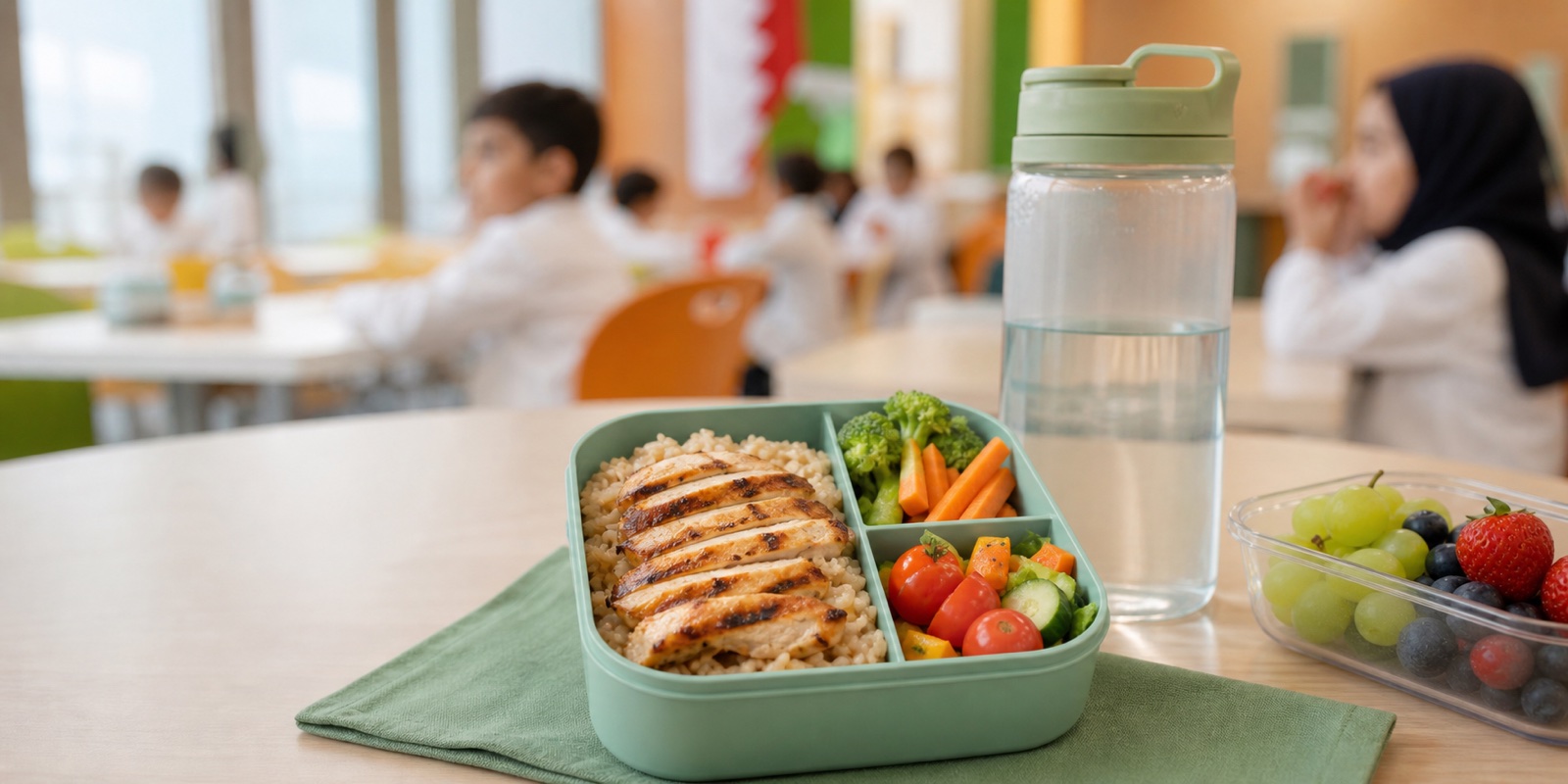
A useful lunchbox does not need to be complicated. Begin with a source of protein, add a grain or another energy-giving carbohydrate, include at least one colorful vegetable or fruit, and finish with water. This creates variety without turning the morning routine into a project.
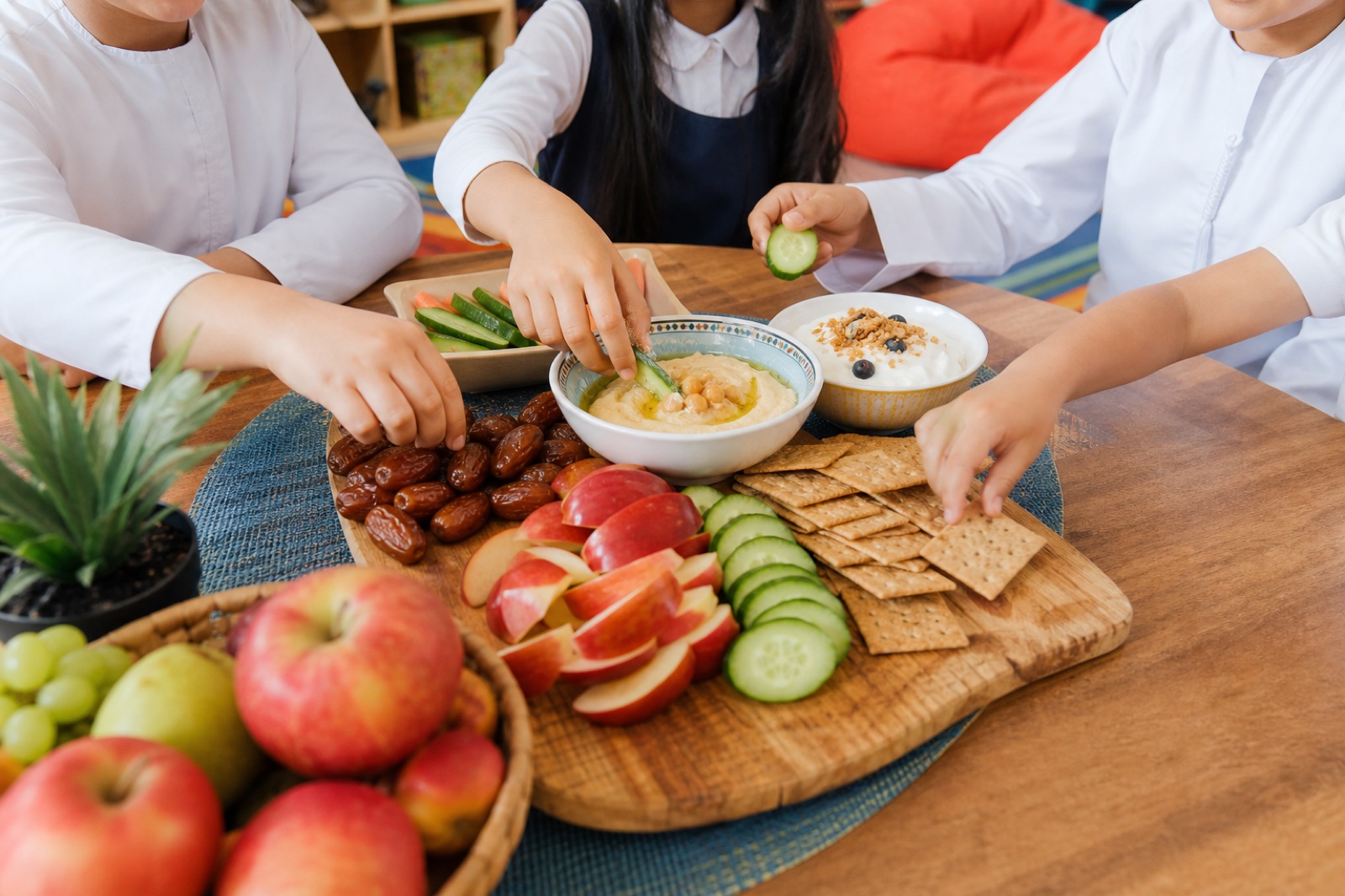
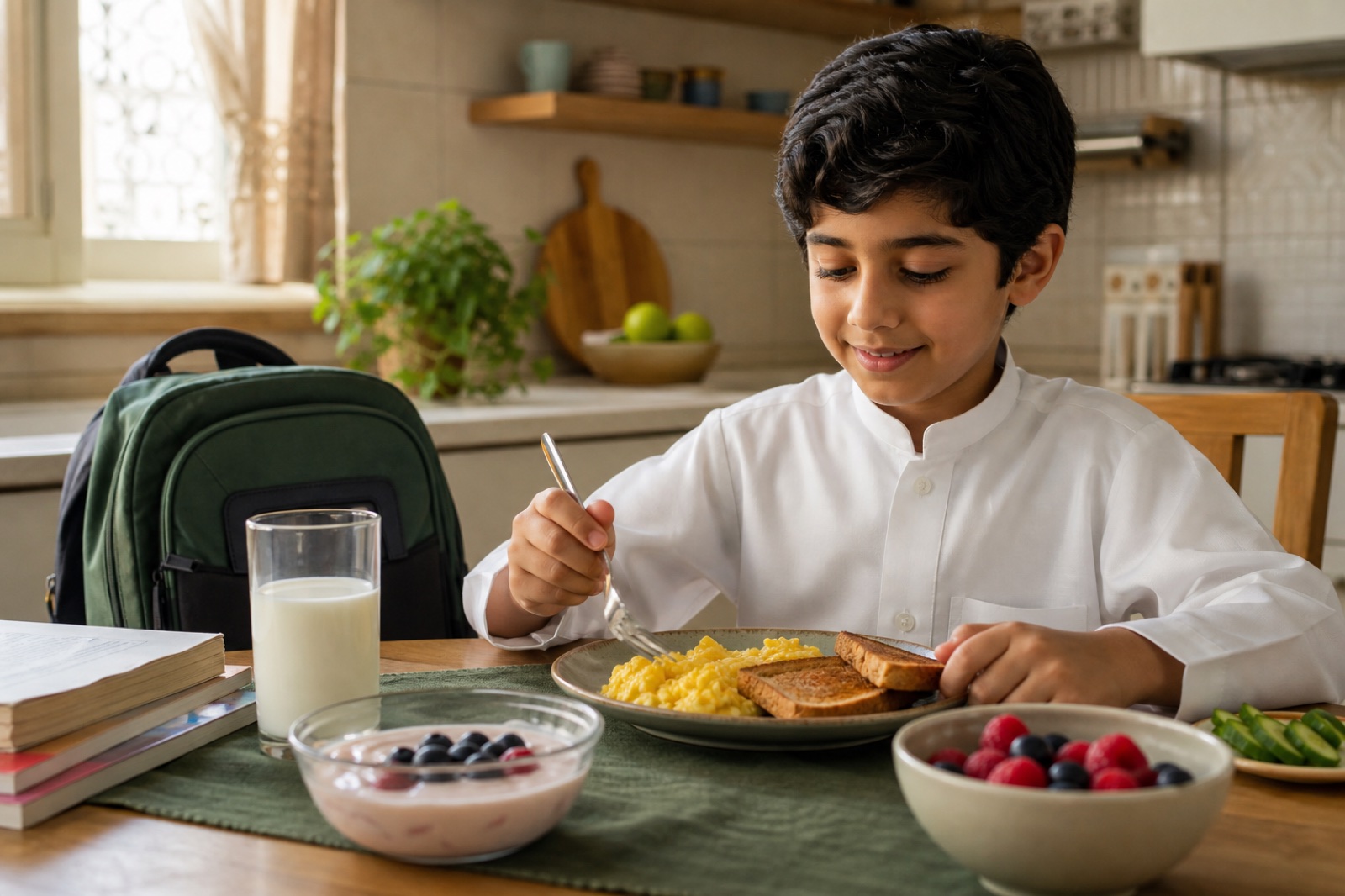
Chicken, eggs, beans, lentils and yogurt can all play the protein role. Rice, bread, pasta or potatoes provide familiar energy, while cucumber, carrots, berries and sliced fruit add color and texture.
Make healthy food easy to eat
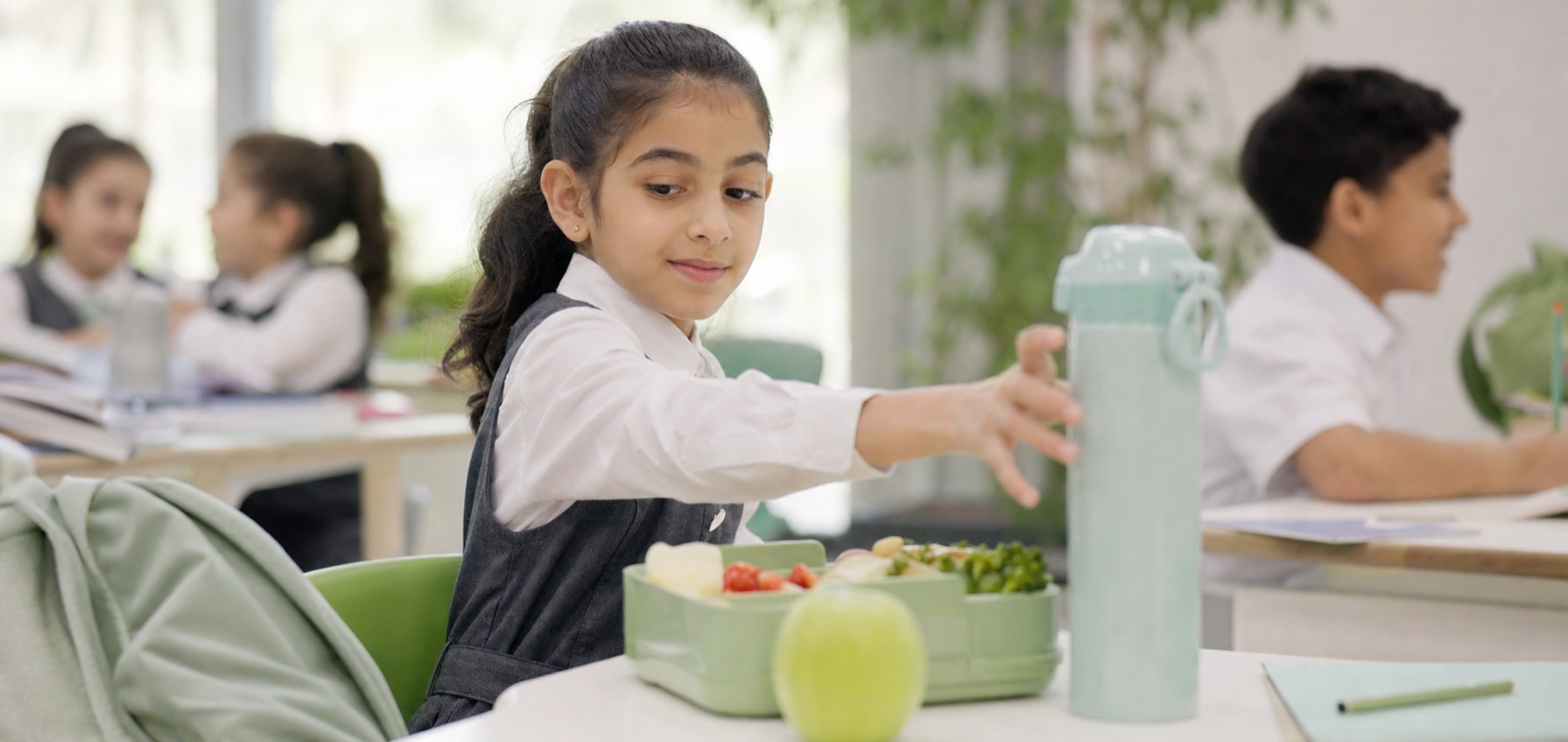
Children have limited time during a school break. Cut food into manageable pieces, use containers they can open independently and choose recipes that still taste good at lunchtime. Convenience is part of nutrition because food only helps when it is actually eaten.
Let children help choose
Offer two sensible choices instead of asking an open-ended question: apple or berries, rice or bread, chicken or beans. Small decisions build confidence and reduce the chance of a full lunchbox returning home.
Please remember: For diagnosed allergies, medical conditions or individual nutrition concerns, follow guidance from a qualified healthcare professional and your school's official care process.